How to Find Influencers for Your Brand (Start In-House)
Skip cold outreach. Find influencers for your brand by starting with creators already in your community. A practical framework for smarter influencer marketing on Instagram and TikTok.
Details
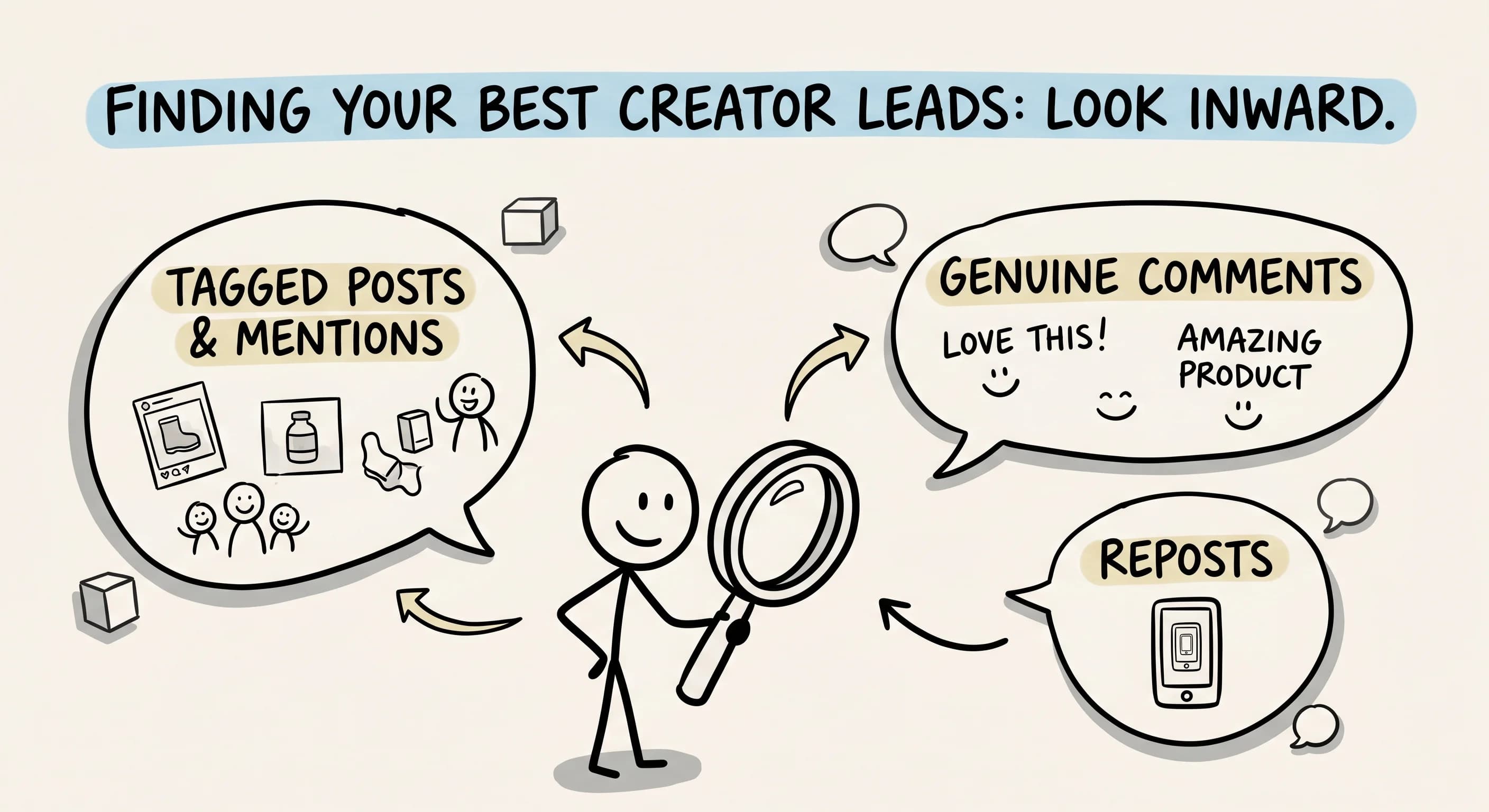
Working with a $15K influencer budget sounds like plenty until you realize how fast it disappears when you're cold-pitching creators based on follower count alone. One smarter approach is flipping the script entirely: instead of hunting for influencers, find the ones who already found you. This guide walks through how to build a practical influencer marketing strategy rooted in community, authenticity, and smarter budget allocation.
What Is Influencer Marketing and Why Does It Matter?
Influencer marketing is a form of collaboration where brands partner with creators who have built trust and credibility with a specific audience. Unlike traditional advertising, which pushes messages outward to a broad and often indifferent audience, influencer marketing works because the recommendation comes from a voice people already follow and respect. When done well, it can increase brand awareness, drive meaningful engagement, and boost sales in ways that paid media simply cannot replicate.
Social media platforms like Instagram and TikTok, as well as YouTube, have made it easier than ever for creators to build loyal audiences around specific topics, aesthetics, and lifestyles. Brands that learn to work with influencers on these platforms gain access to that trust, not just that reach.
How Can I Find the Right Influencers for My Brand?
Before you open an influencer marketing platform or start scrolling through posts, audit your own community. Who is already tagging your brand on Instagram? Who is leaving genuine comments, reposting your content, or talking about your products unprompted? These community-native creators are your warmest leads and the most cost-effective ones.
Finding influencers who align with your values and whose audiences actually trust them matters far more than finding the biggest names. HG Agency's community-first marketing playbook puts it plainly: brands should engage and leverage enthusiastic customers who are already talking about your brand as part of their influencer mix, rather than cold-prospecting creators by size alone. When a creator genuinely loves your brand or product, that authenticity shows in the content they produce, and it resonates with their followers in ways that no amount of paid polish can replicate.
You've probably experienced this yourself when you've seen a creator post about a product and immediately known whether they actually use it or not. Audiences can feel that difference too.
What Is the Difference Between Nano and Macro Influencers?
 Not every type of influencer delivers the same results or carries the same price tag. Understanding the landscape helps you allocate budget more intelligently.
- Nano influencers have between 1,000 and 10,000 followers. They tend to have highly engaged, niche audiences and are often the best fit for hyper-targeted campaigns.
- Micro-influencers typically have between 10,000 and 100,000 followers. They balance reach with engagement and are often a strong fit for your brand if you are working with a limited budget.
- Macro influencers have hundreds of thousands of followers. They offer scale but often at lower engagement rates and higher costs.
- Mega or celebrity influencers reach millions. Their ability to boost brand visibility and awareness can be significant, but ROI is harder to track and budgets must be substantial.
Research from CreatorIQ backs this up: audience quality and fit often matter more than audience quantity, with nano creators delivering ROIs up to 2,000% compared to roughly 600% for macro creators in some documented cases.
Why Follower Count Doesn't Predict Influencer Pricing
Here's something most brands learn the hard way: influencer marketing rates are not linear. A creator with 500K followers might quote less than someone with 80K. Pricing depends on niche, engagement rate, platform demand, and how much the creator actually wants to work with you.
The rates really are all over the place. When you start reaching out, you'll quickly notice that creators with substantially more followers are sometimes asking for substantially less than smaller accounts. That's not a mistake. It reflects how much the platform values their specific niche, how in-demand they are, and honestly, how motivated they are to work with you.
What is their engagement rate, not just their follower count? That question should anchor every evaluation. Follower count is simply a weak primary variable when you're trying to predict economic efficiency.
When you reach out to influencers whose audience already overlaps with your target customers, you gain real negotiating leverage, not because you push them down on price, but because they're genuinely motivated to work with your brand. Instead of presenting a fixed budget upfront, ask creators for their rate first. This reveals the true market, helps you allocate smarter, and avoids anchoring the conversation too low or too high.
How to Find Influencers for Your Brand: A Practical Framework
Start With Influencer Discovery Inside Your Community
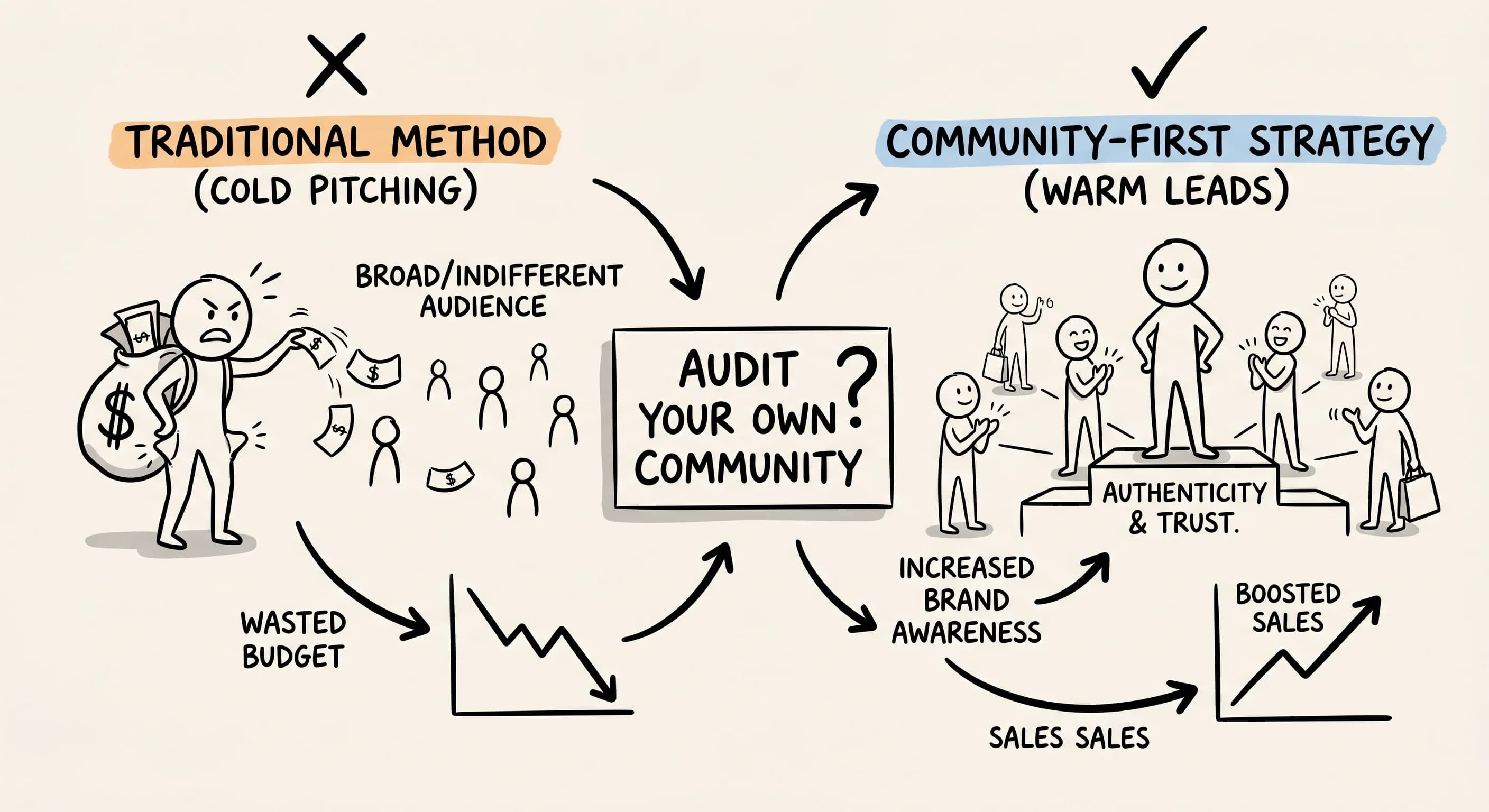
The first step to discover the perfect influencer to represent your brand is to look inward. Search your brand's tagged posts, mentions, and comment sections on Instagram. Look for creators who are already engaging consistently and authentically with your content. These are your best candidates: warm, willing, and already demonstrating that they align with your brand's values and aesthetic.
Social listening tools can help you find creators at scale. Platforms like Emplifi support identifying user-generated content and branded mentions, then mapping which creators already show high engagement with your brand before you ever send a single message. But you don't need a paid tool to start. A manual audit of your tagged posts and comment sections will surface real advocates faster than you'd expect.
Many influencer marketing tools also let you search by audience demographics, niche, and platform expertise. When using these tools, look for influencers using language and topics relevant to your product rather than simply filtering by follower count. These potential partners are far more likely to produce content that resonates with your target audience. It has genuinely become easier than ever to find creators who are already interested in your category.
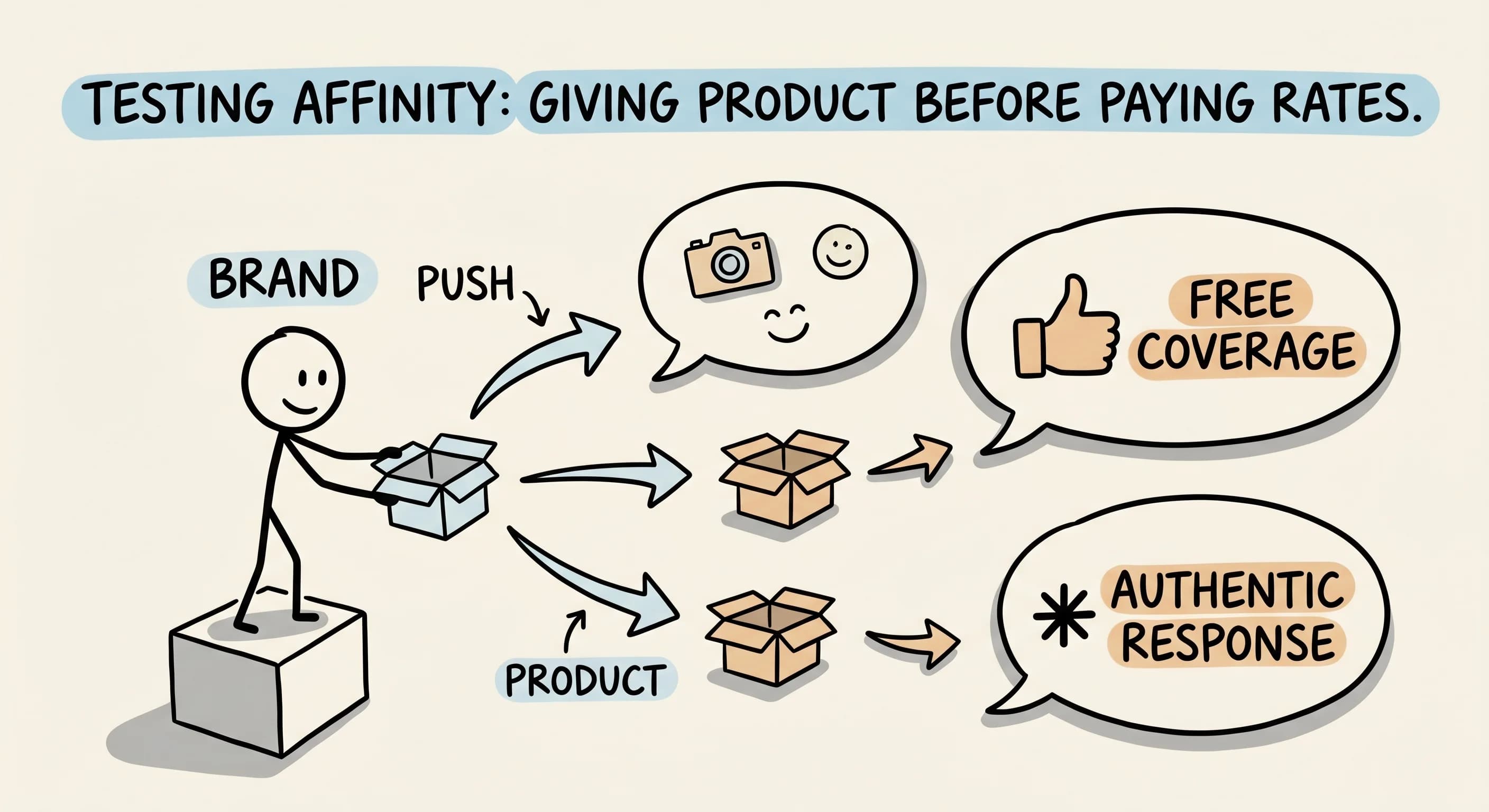
If you want to make it easier than ever to test the waters before committing budget, consider starting with gifting and product seeding first. Identify which creators naturally respond and post without being paid, then deepen the relationship with those who show genuine enthusiasm. Offering product in exchange for free and honest coverage filters for real affinity before any money changes hands.
How to Find Influencers Looking for Brands
In your efforts for effective influencer marketing, you will often cross this question: how do you find influencers looking for brands? The short answer is that you look for creators who are already in the consideration phase, creators who have mentioned collaborating with a brand in their content, who have a media kit ready, or who are actively posting in creator communities about brand partnerships.
You can get influencers interested through several channels. Relevant posts, creator marketplaces, and an influencer marketing platform all help you identify creators who are actively seeking collaborations. Social media influencers who are interested in working with brands often signal their availability directly in their bios or link-in-bio pages. Whether your brand is large or small, these signals make influencer outreach far more efficient.
When identifying the right fit for your brand, go beyond follower counts. Ask yourself: are they a master of short-form video on TikTok or an expert at building community on Instagram? What tone of voice do they use? Do you need someone funny and relatable, or is your brand better suited to an aspirational, educational tone? Does their content align with your brand's aesthetic and message? Are there any conflicts of interest, such as a competing product line or an ongoing campaign that might undermine the efficacy of yours? Have they made any overtly political, social, or religious posts that don't align with your brand's core positioning? How professionally have they handled brand deals in the past?
These questions help you move from a long list of potential names to a shortlist of genuinely relevant creators.
Build the Partnership Around Their Rate
Once you identify the right influencer and their followers seem well matched to your audience, open the conversation by asking what they typically charge for a partnership rather than stating your budget. Use the range of responses you get to inform how many creators you can realistically work with and how many influencers per month fits your budget cycle.
This isn't just good negotiating practice, it's a data-gathering exercise. The first wave of deals you do is essentially market research. You're mapping price variability across creator sizes, niches, and platforms so that every future campaign budget you build is grounded in real numbers, not assumptions.
Emplifi's creator marketing budgeting framework recommends exactly this approach: avoid one-size-fits-all pricing models and instead use data from actual negotiations and past deals to inform future planning. Treat your early outreach as a learning system.
Spread Budget Across Multiple Creators
 Rather than concentrating your entire spend on one large creator, distribute it across several smaller voices. This isn't just a budget hack. It's risk management.
Putting everything into one big creator campaign is genuinely risky. Performance is variable. One creator having an off month, posting at the wrong time, or simply not connecting with their audience on a particular piece of content can tank your entire campaign's results. Spreading budget across multiple aligned creators means one underperformer doesn't wipe out your whole quarter.
A case study examining micro-influencer programs found that brands building their own creator communities consistently outperformed those chasing large cold macro creators. Value came from authenticity and sustained engagement, not follower count. Partnerships with influencers across multiple tiers and niches also means your brand appears in more diverse contexts, which reinforces recall.
The math also works in your favor. Ten creators with 20K followers each, all of whom genuinely love your brand, will almost always outperform one creator with 200K followers who found you through a platform cold pitch. If you want to take your brand into new audiences, spreading investment across new influencers in adjacent niches is one of the most reliable ways to do it.
Ways to Find Influencers on Instagram, TikTok, and YouTube
Beyond your own community, there are a few reliable ways to find influencers for your brand:
- Search by hashtag and Explore: search niche-specific hashtags on Instagram and browse the Explore page to surface creators already posting about your category.
- Find Instagram influencers via brand mentions: check who tags your brand, then check who tags your competitors.
- TikTok and YouTube: search keywords and hashtags to find TikTok influencers and YouTube creators in your niche.
- Use an influencer marketing platform: an influencer search tool or influencer database (like Upfluence) lets you filter by niche, audience demographics, and engagement rate across multiple platforms, and many now add AI-powered discovery and fake-follower checks.
- Creator marketplaces: browse vetted creators who have already opted in to brand deals.
The easiest way to find influencers who actually convert, though, is still to start with the ones who already love your brand.
What Are the Benefits of Influencer Marketing for My Brand?
Using influencer marketing effectively delivers several advantages that traditional advertising struggles to match. A successful campaign can connect with their target audience in ways that feel personal and trustworthy, generate authentic content that you can repurpose across your own channels, and build relationships with creators that compound in value over time.
Influencer marketing helps brands build trust and credibility in ways that paid ads rarely achieve, because the endorsement comes from a voice the audience has chosen to follow. Beyond awareness, a well-run campaign can directly drive sales, especially when creators share discount codes, affiliate links, or limited-time offers with audiences who already trust their recommendations. If you want your brand to grow sustainably, investing in genuine creator relationships is one of the most cost-effective ways to do it.
How Do I Measure the Success of an Influencer Marketing Campaign?
Define your metrics before the campaign launches. Common performance indicators include engagement rate, reach, click-through rate, conversions, and affiliate or promo code redemptions. For awareness objectives, track follower growth and share of voice. For sales objectives, tie creator links or codes directly to revenue.
Close the loop by tracking content performance across all your community-first partnerships. A solid understanding of your target audience and which creator types resonate with them is essential here. Over time you'll build a proprietary map of which creator types negotiate most flexibly, which follower and engagement ranges generate the strongest ROI for your specific brand, and where on each platform your budget works hardest.
What Are the Common Mistakes to Avoid in Influencer Marketing?
The most common mistakes brands make include choosing creators purely on follower count, failing to vet creators for brand fit, sending generic outreach that ignores the creator's actual content, and treating influencer relationships as one-off transactions. Find creators who are already fans of your product rather than those who simply responded to a cold pitch. Outreach that references specific posts or uses the creator's name and voice signals genuine interest and dramatically improves response rates.
Another frequent mistake is ignoring platform expertise. Influencers who are already thriving on one platform may not translate to another. Match the creator to the platform where your target audience actually spends time.
What Should I Do If an Influencer Does Not Respond?
If an influencer does not respond to your initial message, follow up once after about a week with a brief, personalized note. If there is still no reply, move on without sending repeated messages. Likely already engaged creators, meaning those who have interacted with your content before you reached out, will respond at much higher rates than cold contacts. This is another reason why building a community foundation first makes your entire outreach process more efficient.
Making Your Influencer Marketing Strategy Work Harder
The goal is to find influencers to promote your brand who already believe in it and whose audience is your target audience. Whether your brand is just starting out or scaling an existing program, that genuine belief translates into authentic content, flexible rates, and audiences primed to listen.
Once you've run your first round of community-first outreach, formalize what you've learned. Build a simple tiered system:
- Tier one: Existing fans and customers already posting about you
- Tier two: Warm prospects in adjacent niches with similar audiences
- Tier three: Cold outreach only after tiers one and two are tapped
Prioritize your budget for the first two tiers before you ever consider cold outreach. HG Agency's community-first approach frames this as building a community foundation of ambassadors as the base of your influencer ecosystem, then layering in higher-visibility creators when needed.
As your relationships deepen, explore performance-based or hybrid deals with creators who already love your product. Many smaller creators are genuinely open to affiliate or hybrid flat-plus-performance structures, especially when they believe in what they're promoting. It aligns incentives on both sides and stretches your budget further.
Ready to kickstart your strategy? Start by looking inward. Your next best brand partnership might already be in your comments section.
Read more about Monetization & Business Models for Content Creators
📚 Complete Guides
- Content Creator Monetization: Proven Revenue Streams
- Content Creator Income Streams: 7 Ways to Build Financial Stability
⚡ Tactics & Strategies
- 30 Daily Outbound Pitches for UGC Deal Generation
- Affiliate Code Negotiation Using Membership Audience Influence
- Age Bracket as Superpower Strategy for Older UGC Creators
- B2B Merchandise Bulk Sales to Industry Professionals- Packaging Products as Client Gifts for Lawyers and Service Providers
- Becoming Your Own Sponsor by Plugging Your Offer Within Episodes
📄 Related Articles
- What Is a Good Engagement Rate? Benchmarks by Platform
- The Future of Online Courses: What AI Means for Course Creators
- Instagram Automation Tools: Automate Lead Capture & DMs
- Best Community Platforms for Course Creators
- How to Retain Clients and Build Recurring Revenue
- Course Landing Page: Validate Your Online Course Before You Build It
- Email Engagement: Your Best Subscribers Are Your Growth
- How to Get Brand Deals as a Creator (Without Pitching)
🧮 Calculators
Read more Instagram Resources for Content Creators
📚 Complete Guides
⚡ Tactics & Strategies
- Audience Poll on Instagram to Source Q&A Content in Advance of Recording
- Community-First Creator Sourcing to Maximize Small Influencer Budgets
- Consistent Aesthetic Elements Strategy
- Creating Viral Content Through Polarizing and Educational Hooks
- Earning Influence Through Trust Rather Than Attention Spikes
🧮 Calculators

Alex Kirillov
Details
One link. Every channel, rate, and piece of work brands need to evaluate you. Built for how creators actually get hired.
Claim your profile
Live creator, content, and marketing roles from real companies, with the pay, market, and context the raw job page never gives you.
Browse jobs