How to Build an Organic Marketing Strategy That Compounds Over Time
Stop chasing one-off deals. Build sustainable creator income with organic relationship building strategies that convert into long-term brand partnerships.
Details
An organic marketing strategy is the practice of earning attention through unpaid channels: search, content, email, and social, rather than renting it with ads. It is slower than paid marketing, but it compounds. The visibility you build this month keeps working next month, and the month after that, without you paying again for the same reach.
That compounding is exactly why so many creators and small businesses quit too soon. Here's the uncomfortable truth: organic marketing efforts typically require 6-8 months to yield noticeable results. Trust and authority build over time, but most people give up after month two, right before the curve starts to bend in their favor.
Organic Marketing vs Paid Marketing: The Real Trade-Off
The fastest way to understand an organic marketing strategy is to compare it to paid ads. Paid marketing buys you immediate, predictable visibility: you set a budget, run paid advertising, and traffic arrives. The moment you stop paying, that paid traffic disappears with it.
Organic marketing works the opposite way. Unlike paid promotion, organic results build slowly, but they don't switch off when the budget runs out. A blog post that ranks in organic search can drive website traffic for years. A loyal audience you earned through quality content keeps engaging without ad spend.
The smartest marketing strategies use both. Organic marketing is the foundation that builds trust and a durable audience; paid ads are the accelerator you layer on top to boost your organic efforts once you know what already works. If you have to choose where to start with a small marketing budget, organic almost always wins on long-term return.
The Organic Marketing Channels That Compound
A complete organic marketing strategy usually combines four channels, each reinforcing the others:
- SEO and organic search: Publish blog content built around real keyword research so your pages earn organic traffic from search engines over time. Optimize each post for the terms your target audience actually searches, and organic search becomes a compounding source of visitors.
- Content marketing: Different types of content, guides, case studies, videos, answer the questions your audience is already asking, establishing you as the credible source they return to.
- Email marketing: Email campaigns turn one-time visitors into an owned audience you can reach directly, without an algorithm deciding who sees you.
- Organic social media marketing: Consistent social media posts and genuine engagement build brand awareness and relationships that no paid advertisement can manufacture.
For small businesses and solo creators especially, these organic marketing channels deliver reach without the ongoing cost of paid methods to target the same people.
Why Organic Marketing Growth Takes Time
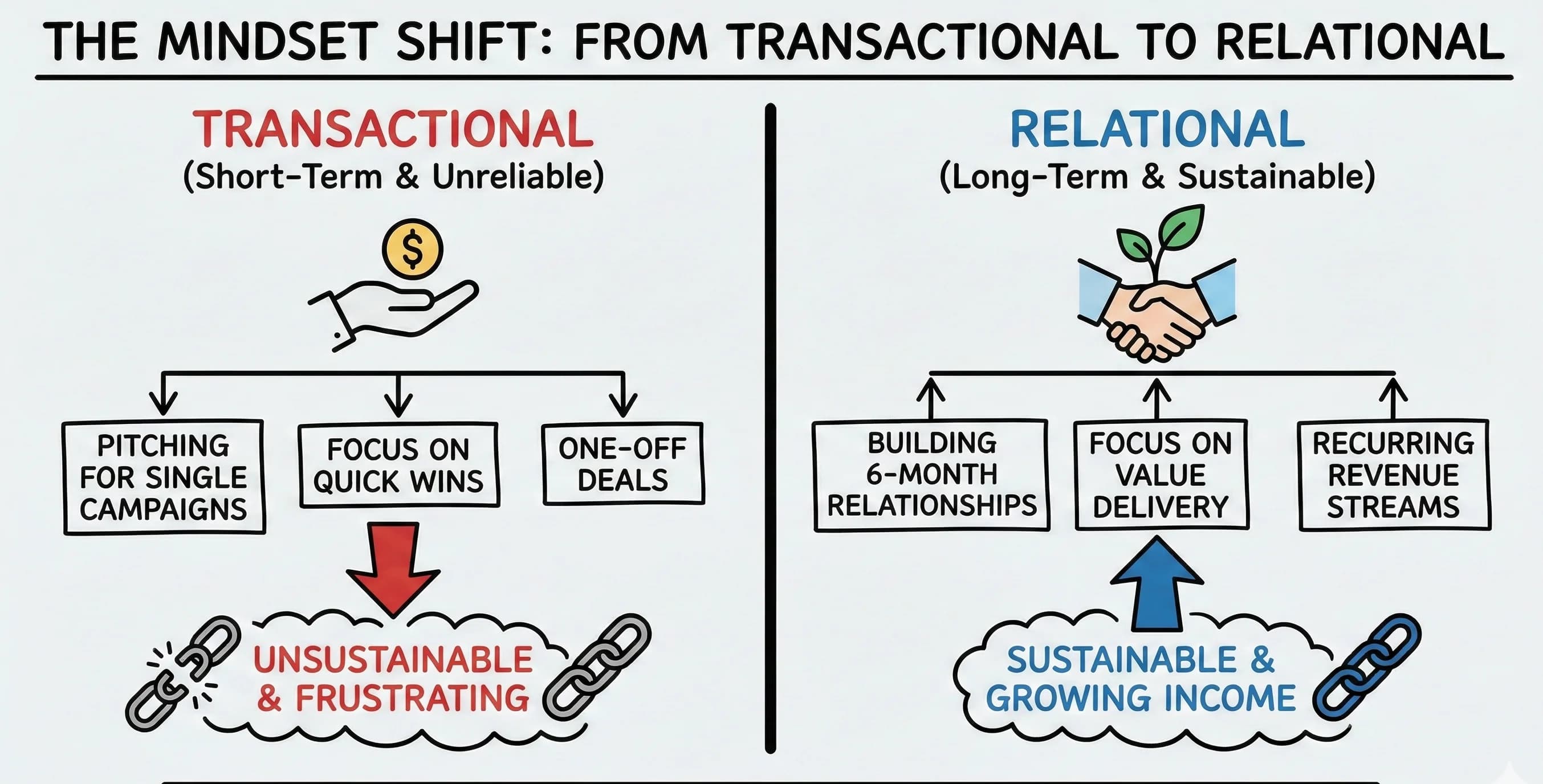
 The secret to sustainable success isn't landing one quick win, it's stacking small, consistent organic marketing efforts until they compound into authority. This mindset shift from transactional to relational thinking separates people who plateau from those building durable businesses.
Audiences today are pitched constantly. They can tell the difference between someone chasing a fast conversion and someone genuinely showing up with value. This is where a patient organic content strategy becomes your competitive advantage: you build trust before you ask for anything.
You've probably felt the frustration of doing the work and hearing nothing back. That's the 6-8 month lag in action. Organic marketing requires patience precisely because trust cannot be bought, only earned through sustained, quality content and real engagement.
Building an Organic Content Strategy That Converts
Effective marketers understand that organic marketing strategies reward patience and consistency. The results worth having, whether that's ranking in search, a loyal customer base, or a brand partnership, come from proving commitment over months, not days.
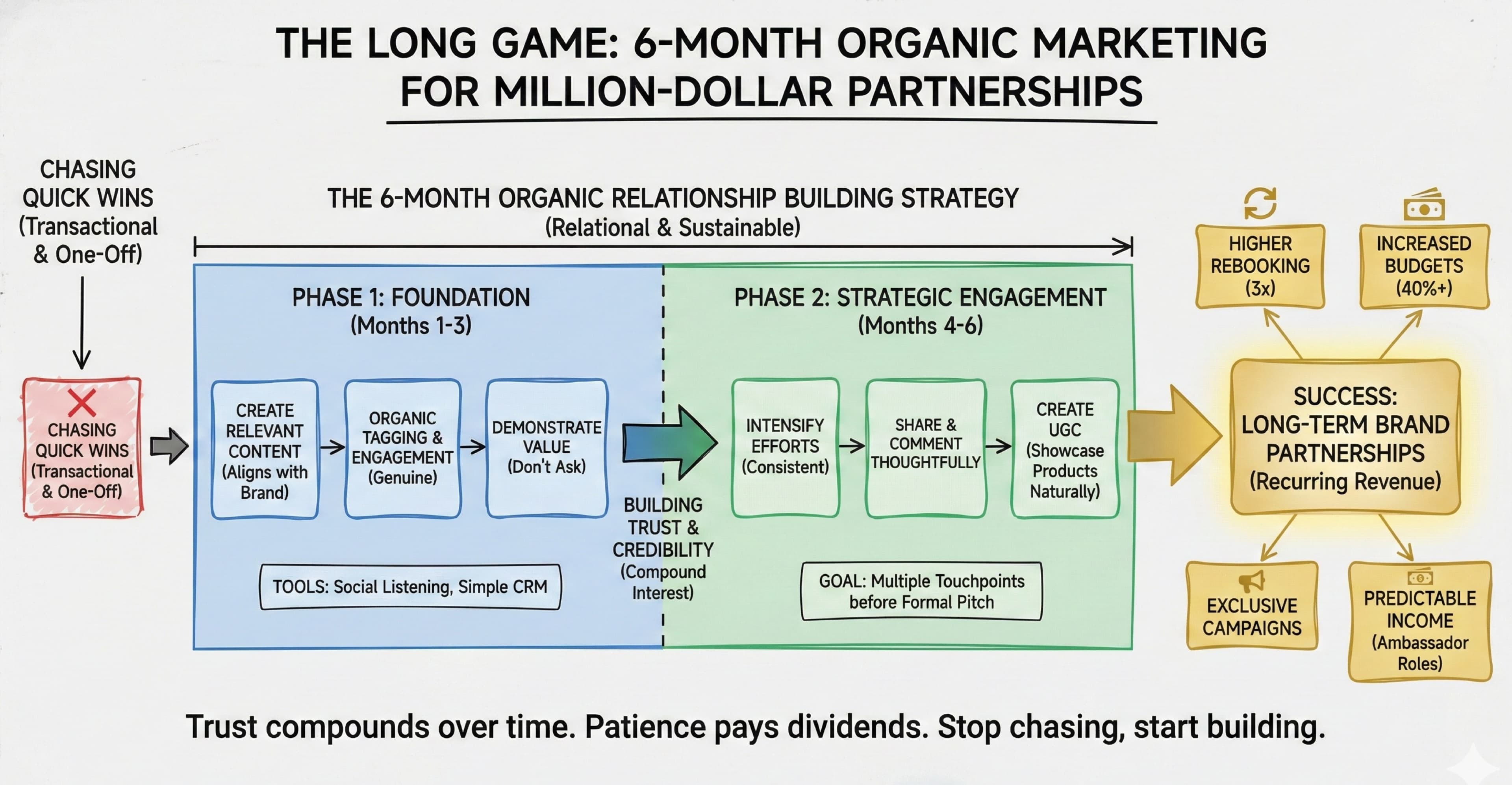
For creators, one of the highest-value applications of organic marketing is landing brand deals. And the payoff is real: 79% of influencers prefer long-term brand partnerships over one-time deals, yet most are still pitching single campaigns instead of building relationships that pay for years.
Creators who commit to the organic approach see remarkable results: 3x higher rebooking rates, 40% increased collaboration budgets, and access to exclusive campaigns that never get publicly announced.
Phase 1: Organic Content Foundation (Months 1-3)
Start by creating relevant content that naturally aligns with your target brands. Use organic social media to showcase authentic product usage without expecting immediate returns. Develop a content calendar that includes regular organic tagging and genuine engagement with brand posts.
Your content should focus on demonstrating value rather than asking for partnerships. Create content that shows you understand the brand's aesthetic, values, and target audience. This isn't about gaming algorithms, it's about building genuine relationships through quality content.
During this phase, use social listening tools like Sprout Social or Brandwatch to monitor brand responses and community feedback. Track every interaction in a simple CRM system, even a basic spreadsheet works if you're just starting out.
Phase 2: Strategic Engagement Campaign (Months 4-6)
Intensify your organic growth efforts by consistently engaging with brand content across platforms. Share their posts, comment thoughtfully on announcements, and create user-generated content that showcases their products naturally.
Influencers like Hitha Palepu report that repeated organic mentions across multiple channels help establish credibility and trust with brands, leading to ongoing partnerships rather than single campaigns. Multiple organic touchpoints, tagging, mentions, and proactive engagement, foster trust before formal collaborations begin.
This isn't about desperation or being pushy. You're building professional relationships the same way any business development professional would, through consistent value delivery and genuine interest in their success.
Content Planning for Long-Term Success
When you finally secure that first collaboration, your marketing plan should focus on exceeding expectations. Deliver content early, provide multiple content options, and go above and beyond initial requirements. This content planning and creation approach demonstrates professionalism and increases rebooking likelihood.
Email marketing also plays a crucial role. Send regular updates to brand contacts using tools like ConvertKit or Mailchimp, share performance metrics, and propose new campaign ideas that align with their seasonal needs. Don't wait for them to reach out, stay top of mind through valuable communication.
Effective creators also participate in brand-led communities, industry forums, and relevant events. This establishes credibility beyond social media and creates multiple touchpoints for relationship building.
The Benefits of an Organic Marketing Strategy
 Here's what happens when you commit to the long game:
Compounding visibility: Every optimized blog post, email, and organic social media post keeps working long after you publish it, unlike a paid ad that stops the moment you do.
Higher trust and rebooking: People and brands who discover you organically already trust your delivery, which means more repeat business and higher collaboration budgets over time.
Access to exclusive opportunities: Many high-budget campaigns never get publicly announced. Brands reach out directly to creators they've watched build credibility organically.
A durable, owned audience: The holy grail of any organic marketing strategy is a loyal customer base that provides predictable income without constant ad spend.
Influencer marketing has evolved beyond simple content creation. Brands now seek creators who function as genuine brand advocates, understanding that authentic, organically built partnerships drive better ROI than transactional ones.
How to Build Your Organic Marketing Strategy This Week
Start implementing the long game today. Pick your primary organic marketing channels, commit to consistency, and focus on providing value before seeking any return. Remember, the goal isn't quick monetization, it's building sustainable, compounding results.
Set up simple systems to track your efforts:
- Publish quality content on a schedule and optimize it for organic search
- Use project management tools like Asana to plan posts and organic mentions
- Create reminders for regular engagement with your audience and target brands
- Track all interactions in a CRM or spreadsheet, and document what content performs best
The creator economy rewards patience. While others chase quick wins with paid ads, you're building an asset through a strategic organic marketing strategy that pays dividends for years. Don't expect overnight success, expect sustainable, growing results that compound month after month.
Start your six-month timeline this week. Choose your channels, create your content calendar, and begin building the organic foundation that will fund your business for years to come.
Read more about Monetization & Business Models for Content Creators
📚 Complete Guides
- Content Creator Monetization: Proven Revenue Streams
- Content Creator Income Streams: 7 Ways to Build Financial Stability
⚡ Tactics & Strategies
- 30 Daily Outbound Pitches for UGC Deal Generation
- Affiliate Code Negotiation Using Membership Audience Influence
- Age Bracket as Superpower Strategy for Older UGC Creators
- B2B Merchandise Bulk Sales to Industry Professionals- Packaging Products as Client Gifts for Lawyers and Service Providers
- Becoming Your Own Sponsor by Plugging Your Offer Within Episodes
📄 Related Articles
- How to Price Creative Services: The Four-Pillar Framework for Freelancers and Designers
- Online Course Feedback: Use It to Improve Your Course
- Email List Growth Strategies: Turn Instagram Frustration Into Subscribers
- How to Write a Nonfiction Book (Newsletter-First)
- UGC Usage Rights Explained: What to Charge and How to License
- Usage Rights Pricing: How Content Creators Can Maximize Revenue from Brand Partnerships
- Welcome Email: Examples and a Sequence That Converts
- Email Sender Reputation: How to Protect It
🧮 Calculators
Free: The 6-Month Brand Partnership Builder
Get the interactive tool, downloadable PDF, and Notion template - all free.
No spam. Unsubscribe anytime.

Alex Kirillov
Details
One link. Every channel, rate, and piece of work brands need to evaluate you. Built for how creators actually get hired.
Claim your profile
Live creator, content, and marketing roles from real companies, with the pay, market, and context the raw job page never gives you.
Browse jobs